You have heard the pitch before: "Just outsource all your IT to us, and you can forget about technology headaches forever." But increasingly, smart business owners are saying "not so fast." They want something different: something that gives them the best of both worlds.
Enter co-managed IT, the hybrid approach that is rapidly becoming the preferred choice for businesses that want expert support without giving up control of their technology destiny.
What Is Co-Managed IT, Really?
Co-managed IT is a partnership model where your internal IT team works alongside an external Managed Service Provider (MSP) to handle different aspects of your technology infrastructure. Think of it as dividing responsibilities rather than handing over the keys entirely.
Your internal team might handle day-to-day user support and hardware maintenance, while the MSP manages network monitoring, cybersecurity, and strategic planning. Or perhaps your team focuses on business-specific applications while the MSP handles infrastructure and compliance requirements.
The key difference? You remain actively involved in IT decisions and operations, working collaboratively with external experts rather than becoming completely dependent on them.
The Full Outsourcing Problem
Traditional fully managed IT outsourcing promised simplicity: hand over everything to an MSP and focus purely on running your business. In practice, many companies discovered significant drawbacks.
Loss of Control: When everything goes to an outside provider, you lose direct influence over how your technology is managed. Changes require going through the MSP, creating delays and reducing your ability to respond quickly to business needs.
One-Size-Fits-All Limitations: Most fully outsourced models offer standardized service packages. Your unique business processes and requirements get forced into their standard operating procedures, often creating inefficiencies.
Hidden Dependencies: Over time, your organization becomes entirely dependent on the MSP for institutional knowledge about your systems. This creates vulnerability if the relationship sours or if you need to make changes.
Cost Inflation: Many businesses discover that fully managed contracts include services they do not need, driving up costs without adding value to their specific situation.

Why Co-Managed IT Makes Sense in 2025
Several trends are driving the shift toward co-managed models, particularly as we move through 2025.
Hybrid Work Complexity: The post-pandemic workplace requires more nuanced IT management. Your internal team understands your specific remote work challenges and office dynamics, while an MSP provides 24/7 monitoring and advanced security expertise.
AI and Automation Integration: Businesses need to integrate AI tools and automation into their specific workflows. Your internal team knows your processes, while an MSP brings expertise in implementing and securing these new technologies.
Regulatory Compliance Demands: Industries face increasing compliance requirements that need both deep business understanding and technical expertise. Co-managed IT allows your team to handle business-specific compliance while the MSP manages technical security requirements.
Skills Gap Reality: Rather than trying to hire expensive specialists for every technology area, co-managed IT lets you strategically fill skill gaps with external expertise while maintaining core competencies internally.
The Co-Managed Advantage Breakdown
Cost Efficiency: Pay only for the specific services and expertise you need. No more subsidizing capabilities you will never use.
Retained Control: Your team stays involved in strategic decisions and maintains deep knowledge of your systems and business requirements.
Scalable Support: During busy periods or major projects, scale up MSP involvement. During slower times, reduce external support to control costs.
Risk Mitigation: Avoid the single-point-of-failure risk that comes with full outsourcing. If the MSP relationship changes, your internal team can maintain operations.
Customized Solutions: Design the support model around your business needs rather than fitting into a predetermined service package.
Real-World Co-Managed Success
Consider a Denver-area manufacturing company with 50 employees. Their internal IT person handles user support, equipment purchases, and vendor relationships: areas where business knowledge matters most. Meanwhile, their MSP partner manages network security monitoring, backup systems, and compliance reporting: technical specialties requiring dedicated expertise and 24/7 attention.
During a recent cybersecurity incident, the internal IT person coordinated with employees and management while the MSP handled technical incident response and forensics. The result? Faster resolution with clear accountability and no finger-pointing between providers.
Another example: a Colorado legal firm uses co-managed IT where their internal team handles client-facing technology and case management systems, while the MSP manages security compliance, email protection, and disaster recovery. This division allows the firm to maintain attorney-client privilege requirements while ensuring robust technical protection.
Choosing Your Co-Managed Partner
Not every MSP understands co-managed IT effectively. Some providers still push for full control, viewing co-managed arrangements as incomplete relationships rather than strategic partnerships.
Look for an MSP that demonstrates genuine collaboration skills and respects your internal team's expertise. They should offer transparent communication, flexible service options, and clear boundaries about responsibilities.
The right co-managed partner acts as an extension of your team rather than a replacement for it. They should enhance your capabilities, not diminish your internal team's value or authority.
Making the Transition
Moving to co-managed IT requires careful planning to define roles and responsibilities clearly. Start by identifying which IT functions your internal team handles best and which areas need external expertise.
Common co-managed divisions include:
- Internal team: User support, hardware management, business application support
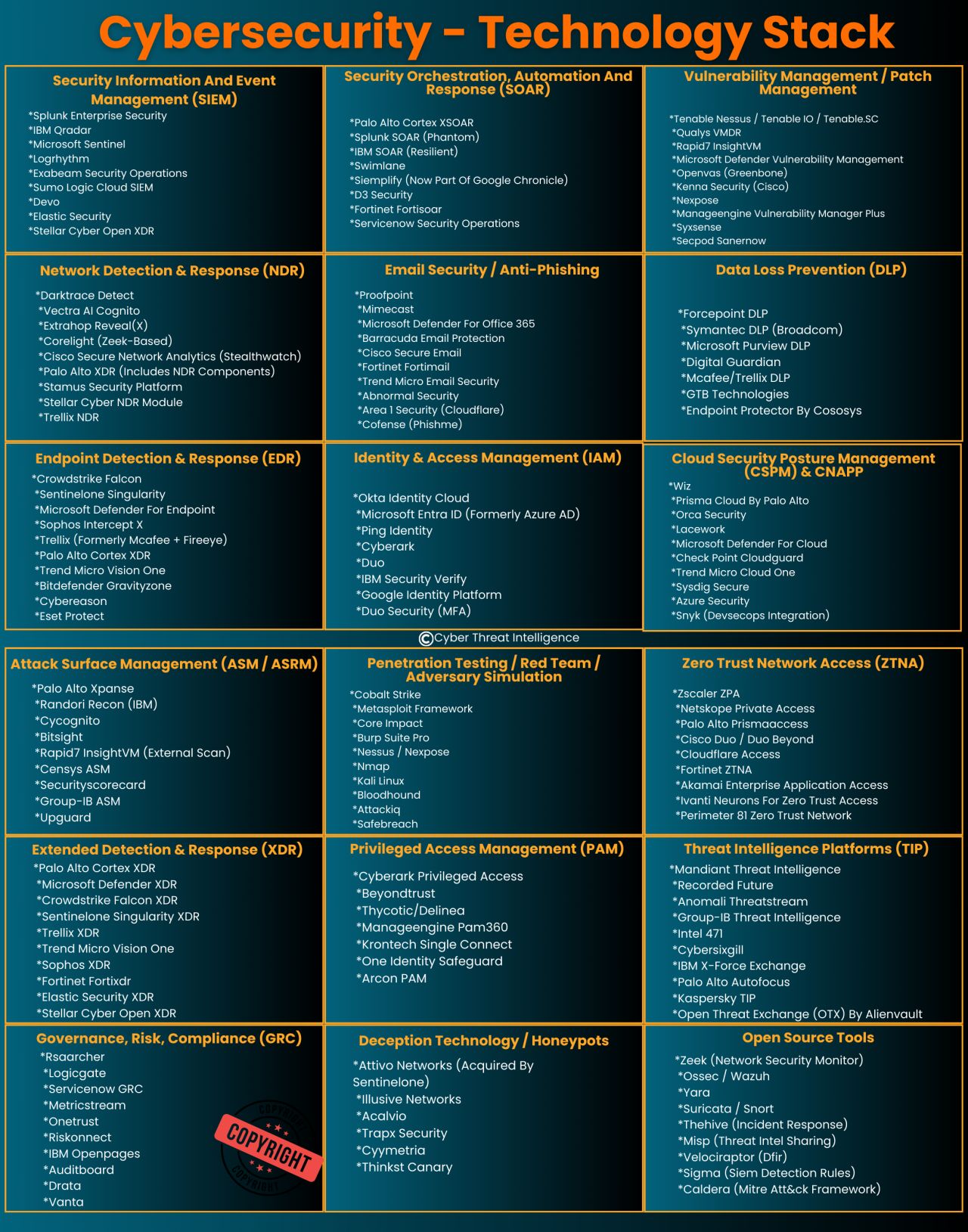
- MSP: Network monitoring, cybersecurity, backup management, compliance
However, the specific division should reflect your team's strengths and business priorities rather than following a standard template.
Communication protocols matter enormously. Establish regular check-ins, clear escalation procedures, and shared documentation standards to ensure seamless collaboration between internal and external teams.
Why Comm Tech MSP Gets Co-Managed IT Right
At Comm Tech MSP, we recognize that co-managed IT is not about splitting responsibilities: it is about building genuine partnerships that leverage everyone's strengths.
We work with your internal team to identify the optimal division of responsibilities based on your specific situation, not our preferred service model. Our approach emphasizes collaboration, transparent communication, and flexible arrangements that evolve with your business needs.
Whether you need specialized cybersecurity expertise, 24/7 network monitoring, or strategic technology planning, we integrate seamlessly with your existing team to provide targeted support where it adds the most value.
Ready to Explore Co-Managed IT?
If you are questioning whether full IT outsourcing is the right fit for your business, co-managed IT might be the solution you have been seeking. It offers the expertise and support you need while maintaining the control and flexibility your business requires.
Contact Comm Tech MSP today to discuss how co-managed IT can work for your specific situation. We will help you identify the optimal balance of internal and external IT support that aligns with your business goals, budget, and growth plans.
Schedule a consultation to explore whether co-managed IT is the right fit for your business. Let us show you how partnership-based IT support can deliver better results than traditional outsourcing models.
Visit our website or call us to start the conversation about building an IT support model that truly works for your business.